
Picador
Picador is the literary imprint at Pan Macmillan and what defines a Picador book is the author’s voice: we believe the way a story is told is just as important as the story itself. We publish writers from all over the world, bringing international authors to an English-language readership and providing a platform for voices that are often not heard. The Picador list includes literary fiction; new, relevant and challenging fiction; narrative non-fiction; authoritative, cultural non-fiction; and the best contemporary poetry, as well as a number of uncategorizable books that will, we hope, surprise you.
We are lucky to be home to prize-winning, internationally renowned writers and we are the proud publisher of many bestselling titles.
We also aim to make beautiful books, with the highest production and design values, from exciting and original first publications to clean, elegantly commercial paperbacks, alongside digital and audio editions.
Books

Just About Coping
Natalie Cawley

Storm Pegs
Jen Hadfield
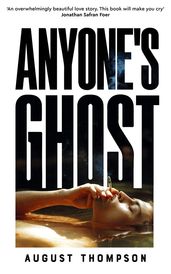
Anyone's Ghost
August Thompson
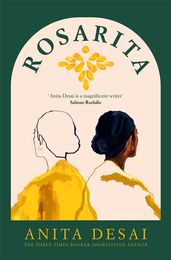
Rosarita
Anita Desai
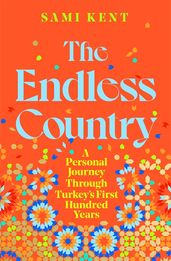
The Endless Country
Sami Kent
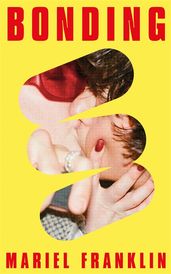
Bonding
Mariel Franklin
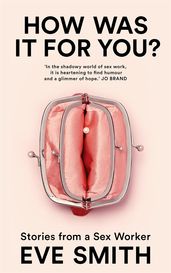
How Was It for You?
Eve Smith
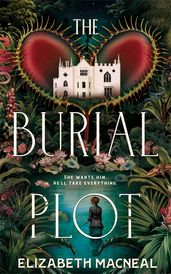
The Burial Plot
Elizabeth Macneal
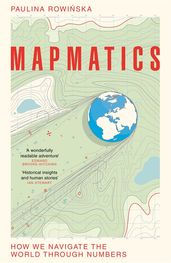
Mapmatics
Paulina Rowinska
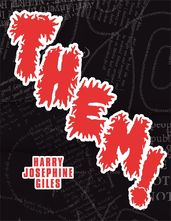
Them!
Harry Josephine Giles

Everyone Who Is Gone Is Here
Jonathan Blitzer

My Beloved Life
Amitava Kumar
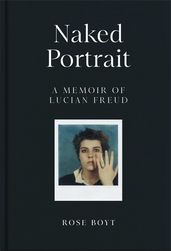
Naked Portrait: A Memoir of Lucian Freud
Rose Boyt
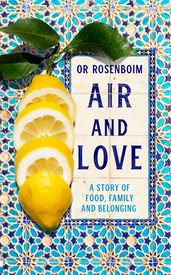
Air and Love
Or Rosenboim
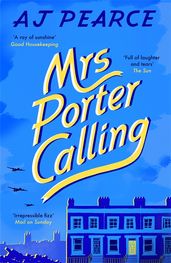
Mrs Porter Calling
AJ Pearce
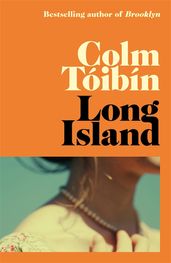
Long Island
Colm Tóibín
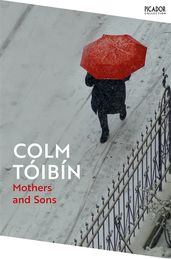
Mothers and Sons
Colm Tóibín
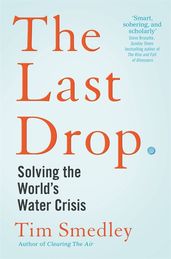
The Last Drop
Tim Smedley
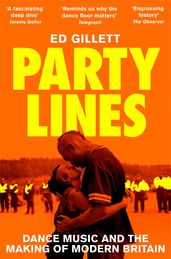
Party Lines
Ed Gillett

Before We Say Goodbye
Toshikazu Kawaguchi

The Places In Between
Rory Stewart

Occupational Hazards
Rory Stewart
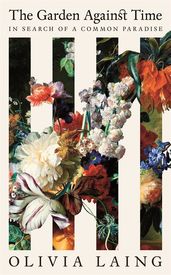
The Garden Against Time
Olivia Laing
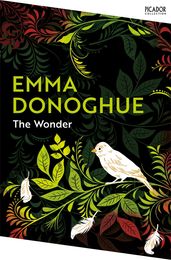
The Wonder
Emma Donoghue